How does Europe build, attract and keep its digital talent?
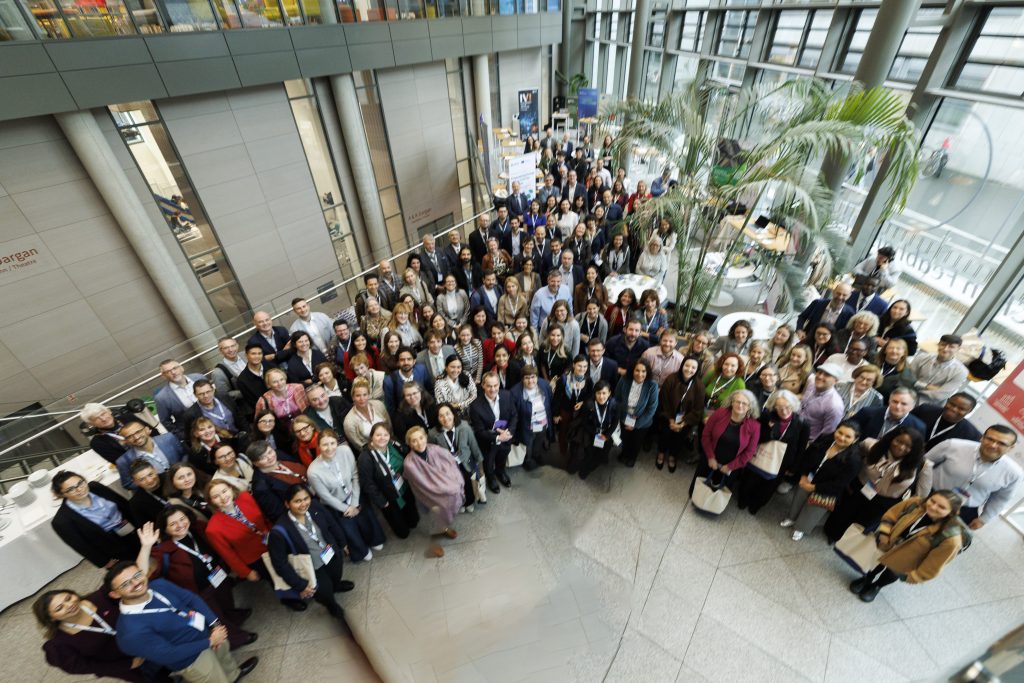
Over two days at the Digital Talent EU Days, one question kept coming up in different forms; how does Europe build, attract and keep the advanced digital talent it needs?
The sessions came from three tracks (Attraction, Development and Retention) plus a set of cross-cutting conversations. Together they gave a broad picture of where the work stands.
Attraction – Who are we missing?
The Attraction track asked who Europe is reaching, and who it is missing. The EU Talent Pool session looked at what brings international talent to Europe, the practical challenges they face, and how to build more accessible and inclusive pathways. It also considered how that talent can strengthen Europe’s digital and AI workforce.
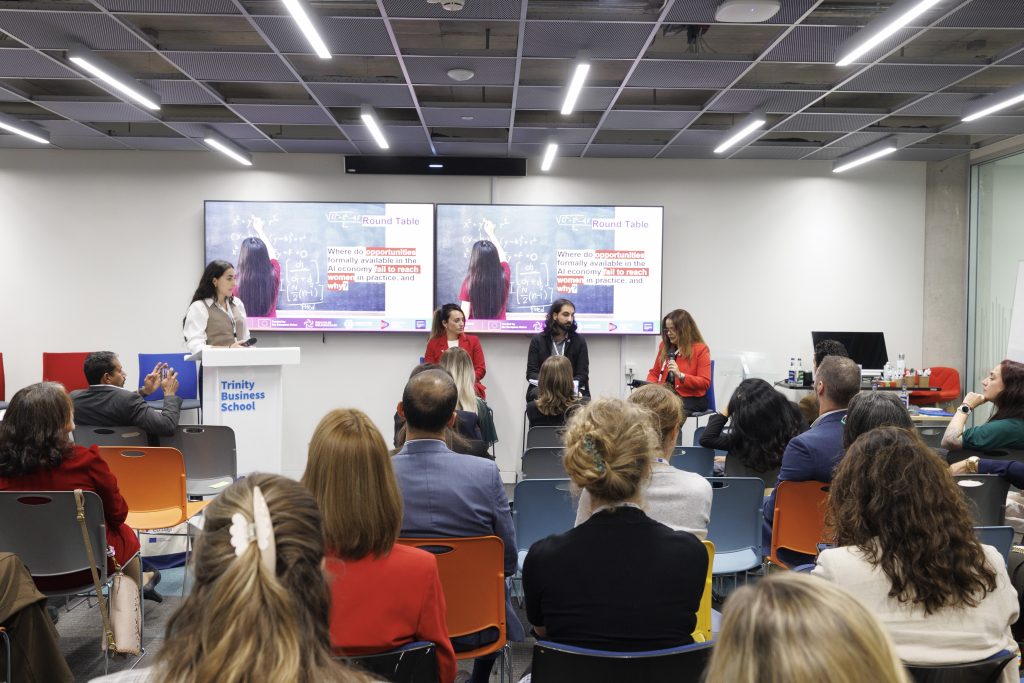
Reskilling was the other big theme. A debate asked whether the “great reskill” can become a practical window to close Europe’s ICT skills gaps. It looked at who is being left behind and how to connect women and under-represented groups to real jobs.
In a session run with WomenTechEU, exited and current deep tech founders discussed how advanced digital roles drive the growth of tomorrow’s deep tech champions.
Development – Building the pipelines
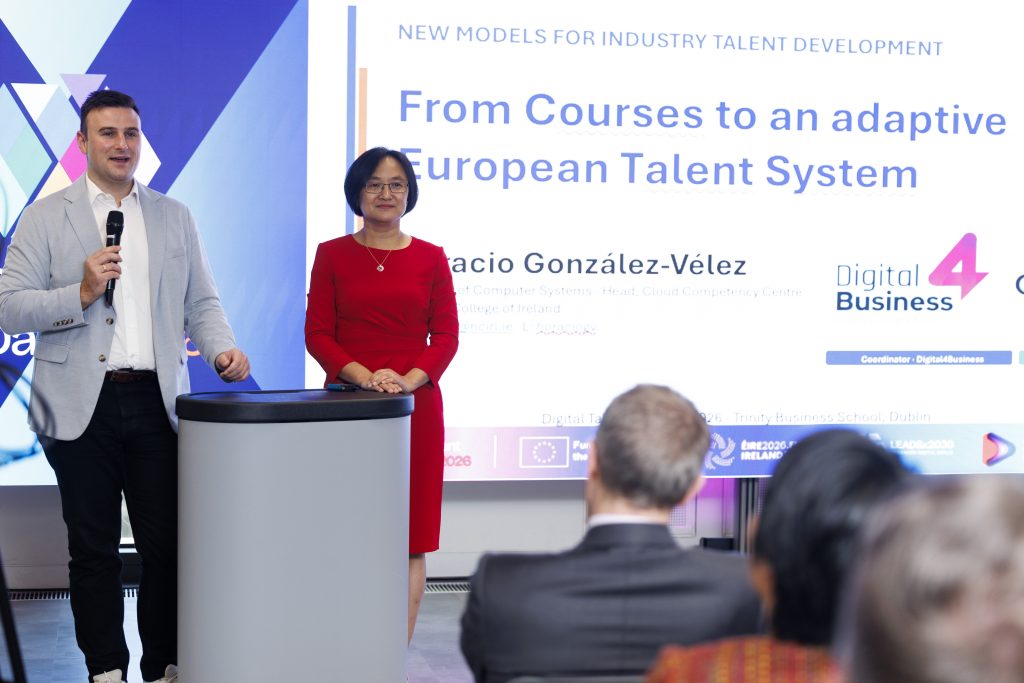
Development sessions got practical. The EU Digital Skills Academies sat down with industry associations to start a new collaboration, facilitated by ELEVATE Plus. Ireland showed its hand too. Skillnet Ireland described its subsidised upskilling model, Ericsson shared how it upskilled its own people, and Digital4Business, a €20m EU co-funded project, presented its new European Master’s programme.
Retention – Growth keeps people
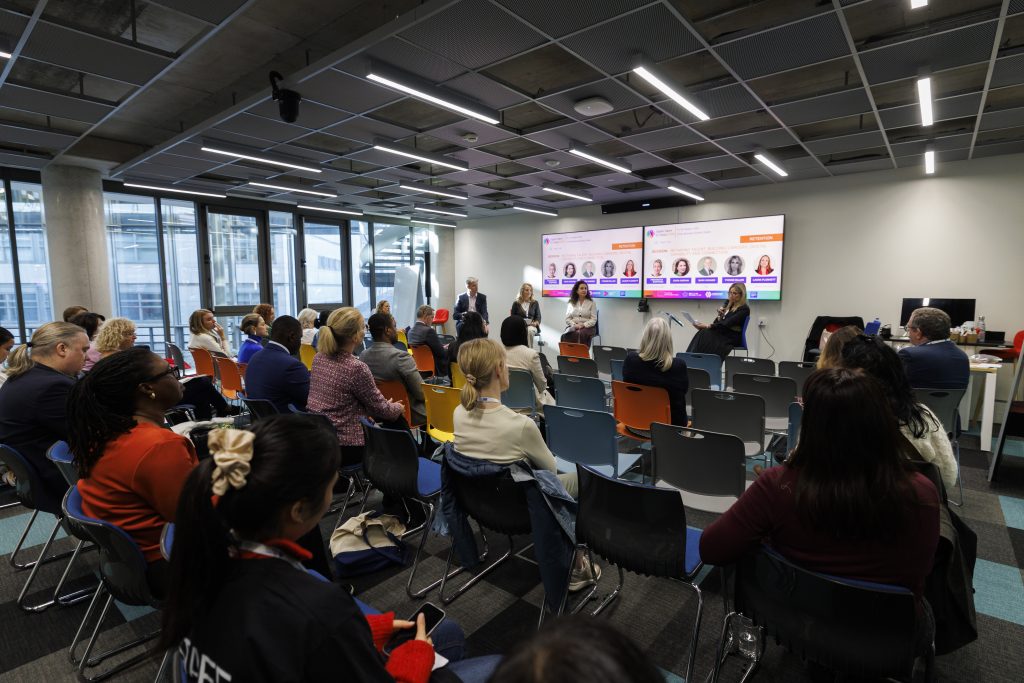
Do people stay because we hold on to them, or because we give them room to grow? Panellists leaned towards growth: lifelong learning, career progression and flexibility. A workshop looked at helping SMEs keep talent, and a case study explored keeping women in digital careers, including Ireland’s Balance for Better Business initiative. “Chips Need People” turned to the Chips Act 2.0 proposal and the fab technicians behind it. TWG6 presented five recommendations on making AI widen women’s participation instead of repeating old inequalities.
Beyond skills alone
Unclear processes, weak leadership support and rigid structures stop organisations from using the skills they build. They introduced a framework that combines people, technology and organizational change. They also asked whether Europe’s real challenge is a skills shortage or a capability gap.
The takeaway
talent strategies only work when industry, educators, policymakers and employers build them together. Inclusion has to sit at the centre of that effort, not at its edges. And developing skills is only half the job, because those skills deliver value only when organisations are ready to put them to use.